A rogue-lite that deals you a hand every room.
Rogue Squad Run is a 2–4 player deckbuilding rogue-lite for Fortnite, built in UEFN on Epic's official Star Wars kit. Draw a hand every room. Build your deck for the final boss showdown. Chain kills until your score goes off the charts. Then take your credits to Yaki Sun's Parts and Guns and come back stronger — it's never the same run twice.
86 cards. Twelve triggers. Every one changes how you play.
The pool is wide on purpose. A card isn't a number you add — it's a reason to play the room differently: hunt headshots, switch to the shotgun, keep the streak alive, take the hit on purpose. Two synergy tags on every card turn the pool into a graph, so every drop adds cards without breaking the ones you already love.
Five factions — Force-sensitive, Outlaw & Hired Gun, Smuggler & Trader, Fighter, Droid — each with its own frame. Triggers run from any kill to sniper headshots, shotgun kills, kill streaks, room clears and taking damage; effects from credits to mult, damage, healing, weapon upgrades, ally summons, ten Force powers, and the Droids' deck hacks.
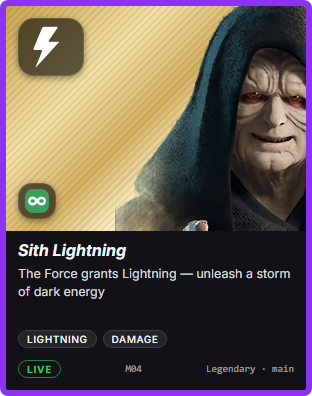
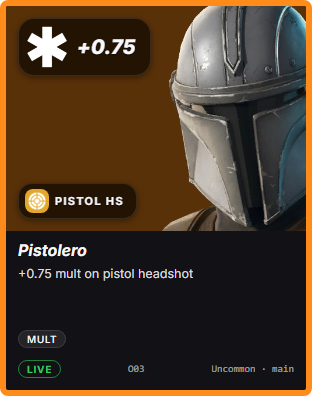
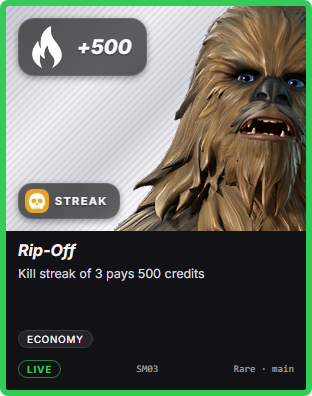
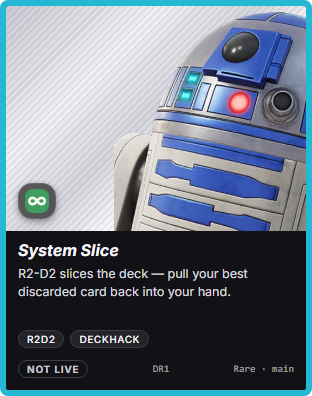
Every room is a new hand.
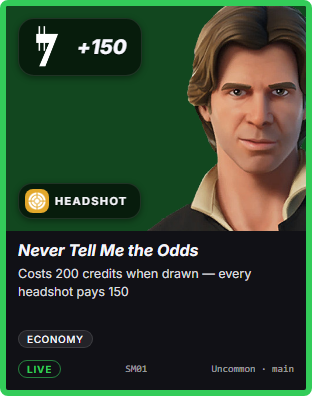
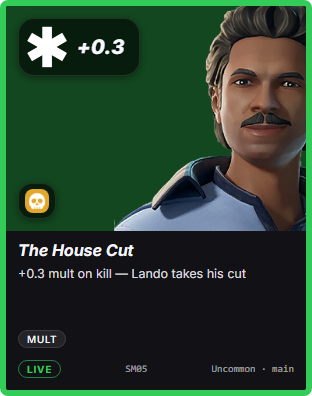
Draw a hand
Three cards from your deck, live only for this room. A headshot card makes you hunt headshots; a streak card makes you push. The hand is the room's plan.
Build your deck for the boss
Pick one of three. Every draft is a bet on the final showdown: the deck you walk into the boss room with is the one you built, room by room, all run.
Upgrade at Yaki Sun's Parts and Guns
Credits bank the moment a kill lands, and they survive death. Spend them between runs on better weapons, then go again with a deck you know and a gun you earned.
Go overpowered. On purpose.
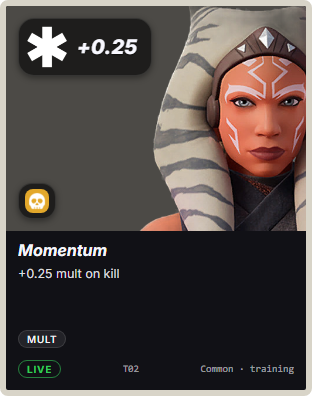
The cards are fuel. The streak is the fire. Two kills inside fifteen seconds and you're lit; every kill after that adds a step, and every scoring card in your hand pays more per step. The same +0.25 card that pays pocket change when you're cold pays +10.25 six kills in — and it keeps climbing.
That's the whole game in one decision: play safe from cover and bank a steady room, or push, chain, and chase the number while your squad watches it climb. One hit and the streak's bonus is gone — only the bonus. Credits you've already earned stay yours.
Then a Droid card rewrites the rules. Astromech Override flips the engine from adding to multiplying — and the line leaves the chart.
Six ways to build. One transform each.
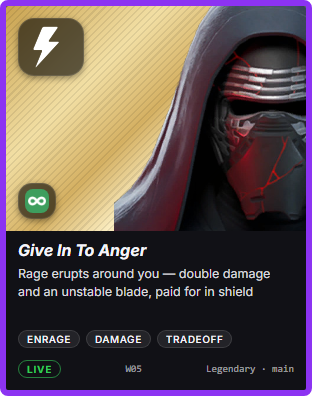
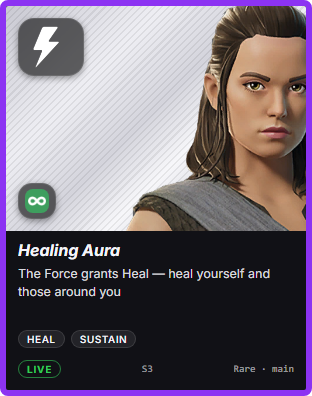
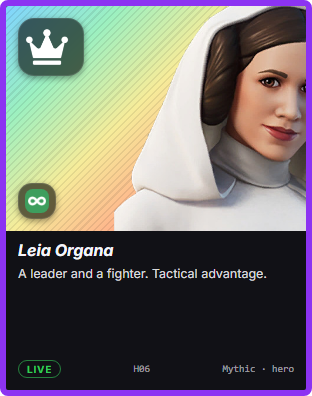
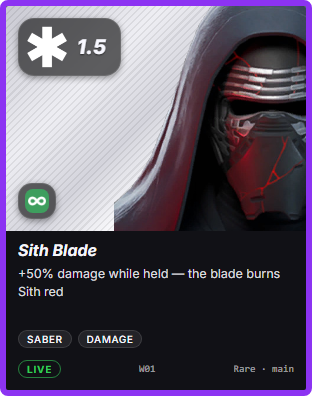
Every hero's kit is broken into cards you learn one at a time. Hold enough of a path and its transform card can appear — for a short while you are the hero, full kit, with a cut-in the whole squad sees.
Wrath
Trade HP for damage. Get angrier the closer you are to dying.
Mastermind
Lightning, decoys, control. Make the room fight itself.
Sentinel
Mobile light-side hybrid. Saber and Force, always moving.
Bounty Hunter
Tracking, traps and jetpack tools. Set the room up before you enter it.
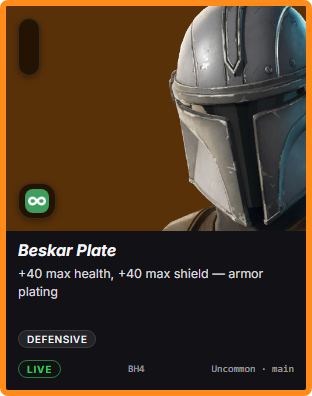
Heavy
Brawl and roar. Close quarters, high HP, loud.
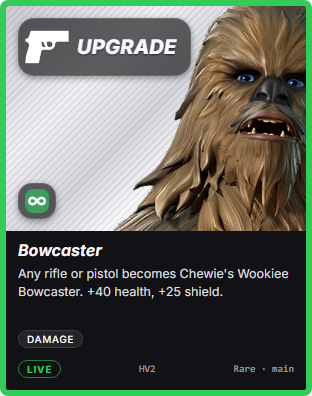
Guardian
Rebel commander. Gadgets, defence, and the squad fights better near you.
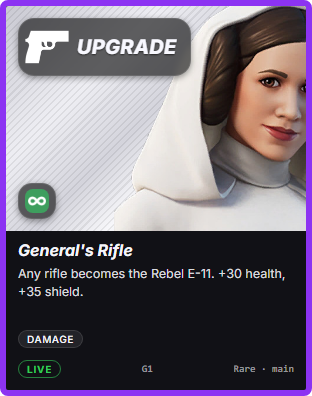
The genre that took over PC hasn't reached Fortnite yet.
Rogue-lites are replayed for months: the build is different every run, the scoring engine rewards mastery, the draft is something you argue about with friends. On PC the genre's leaders sell in the millions and win Game of the Year. On Fortnite the loop has barely been tried — the tools weren't ready for it.
They are now. Cameras you can control, a gameplay framework you can extend, two-way UI binding, iteration in minutes. We think the first studio to ship a real rogue-lite loop on Fortnite — and keep shipping it — defines the next wave. That's the studio we're building.
Built to keep going.
Episode 1
Tutorial, wave rooms, open arenas, a boss, opening and death cinematics, five heroes at launch.
Episode 2
New biomes, heroes six to nine, the first run events and quests, drop-in co-op.
Episode 3
A longer run, the full thirteen-hero roster, four-player tuning, and our card engine on Epic's Ability System.
Three people. One genre. On purpose.
Paul Booth
Product manager at MPC Film; R&D in IBM's Watson Group when machine learning was the frontier; UEFN developer and designer since. Lead AI mentor at Mastered.
Lawrence Hawnt
BA Animation, University of Portsmouth. Design, art and animation on The Puppet of Tersa: Episode One (Steam).
Fred Suddell
Environment art for agency projects; two years of UEFN environment and game design; currently on an arts-grant-funded UEFN social island.